
RESEARCH CASE STUDIES
Explore a selection of our collaborative research projects and learn about their impact on cancer early detection.
RESEARCH DELIVERING IMPACT ACROSS EARLY DETECTION
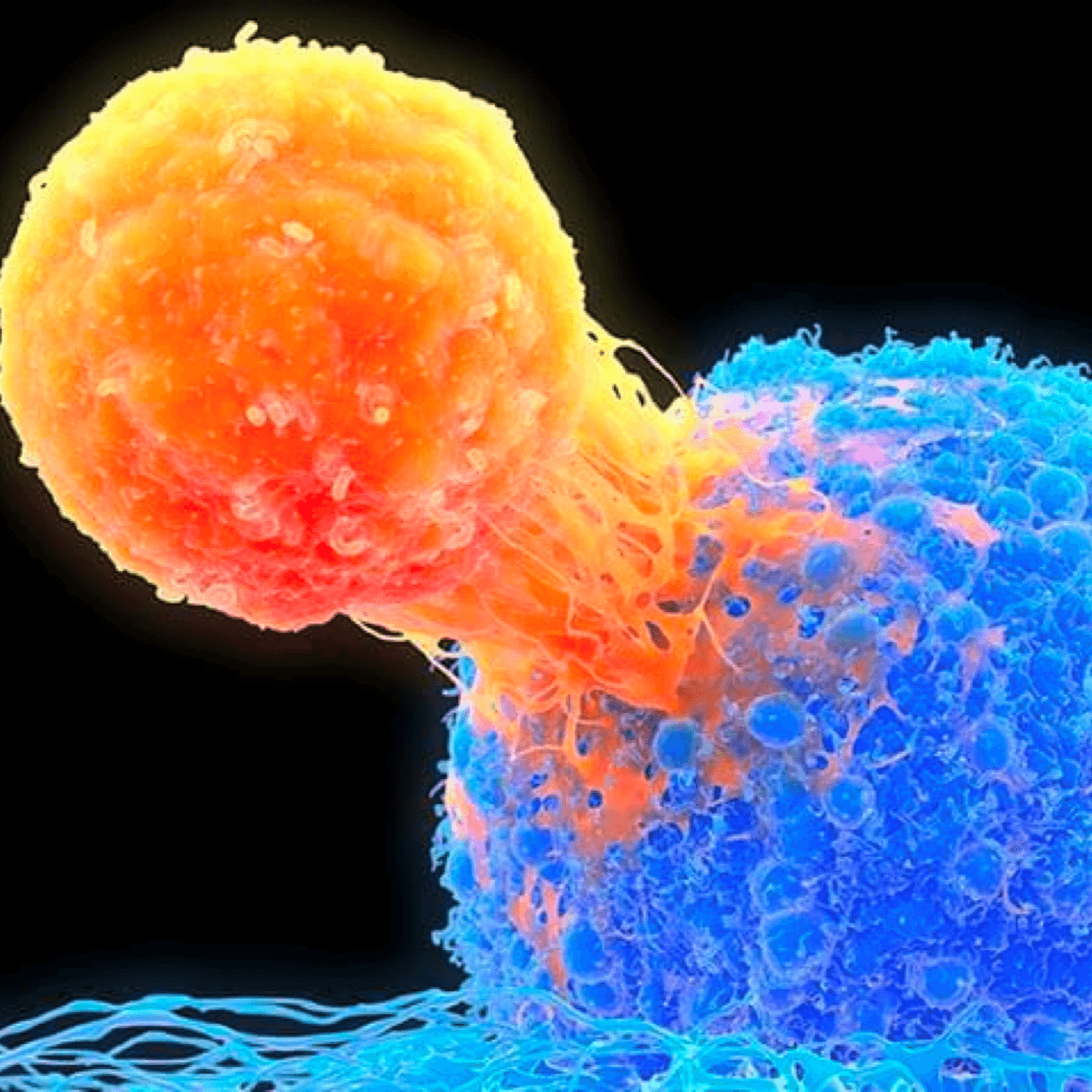
Harnessing the immune system for early detection
Programme award
The team is characterising immune signatures associated with early cancer development, providing insights to support precision early cancer detection and future intervention.
Project leads: Jamie Blundell, Robert Bristow, Evan Lind, Parag Mallick, Benny Chain
Collaborating institutions: University of Cambridge, The University of Manchester, Knight Cancer Institute, UCL, Canary Centre at Stanford (prior partner)
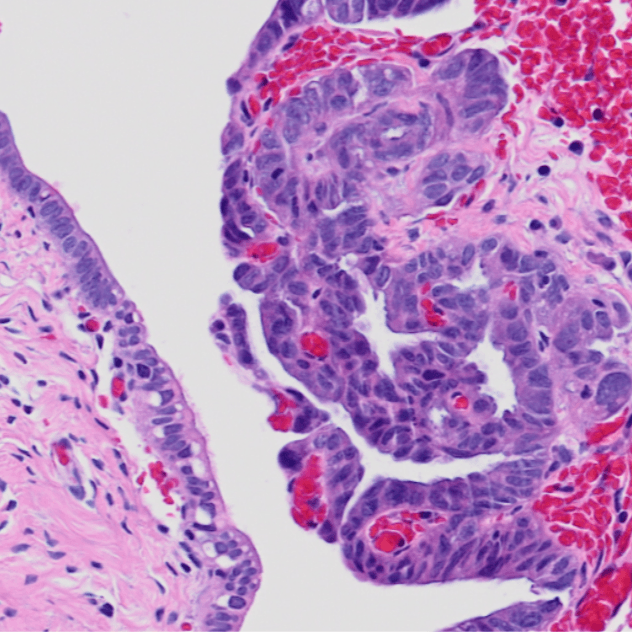
Early markers for ovarian cancer detection
Programme award
The team is identifying the early changes that occur in the fallopian tubes before ovarian cancer develops. The aim is to identify patients at high risk of developing ovarian cancer earlier and support more effective prevention strategies.
Project leads: Filipe Correia Martins, Christine Schmidt, Sharon Pitteri, Michelle Gomes, Marc Tischkowitz
Collaborating institutions: UCL, The University of Manchester, Knight Cancer Institute, University of Cambridge, Canary Centre at Stanford (prior partner)
Assessing cancer risk using electronic health data
Project award
This project aims to improve how we can predict the risk of cancer in patients who visit their doctor with new symptoms. Using data from medical records, this will help doctors decide when to refer patients for further tests to check for cancer.
Project leads: Yoryos Lyratzopoulos, Antonis Antoniou, Ruth Etzioni
Collaborating institutions: UCL, University of Cambridge, Knight Cancer Institute
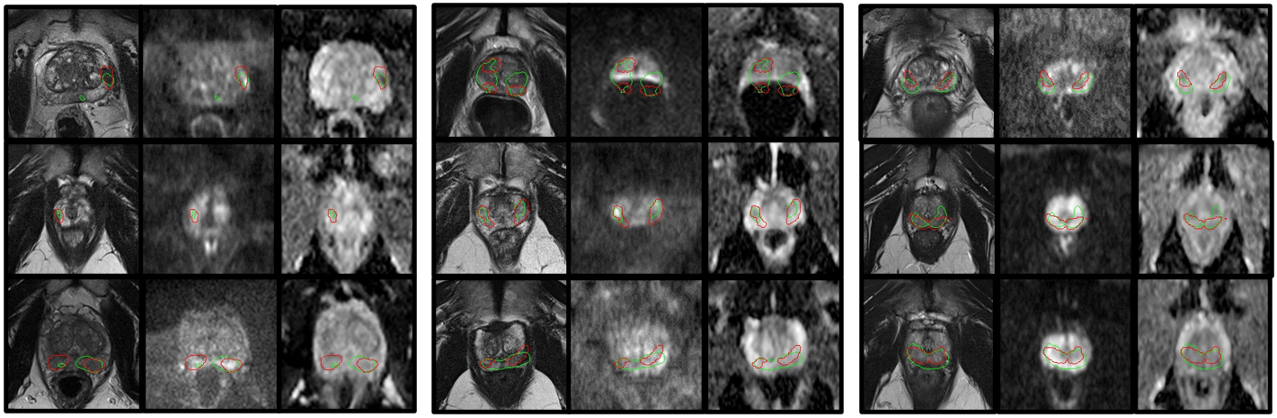
Early prostate cancer detection
Project award
The team is using deep learning methods to connect prostate cancer imaging with past tissue evidence, enabling personalised targets to be identifed without requiring a biopsy.
Project leads: Yipeng Hu, Geoffrey Sonn
Collaborating institutions: UCL, Canary Center at Stanford (prior partner)
Deep histopathological analysis
Project award
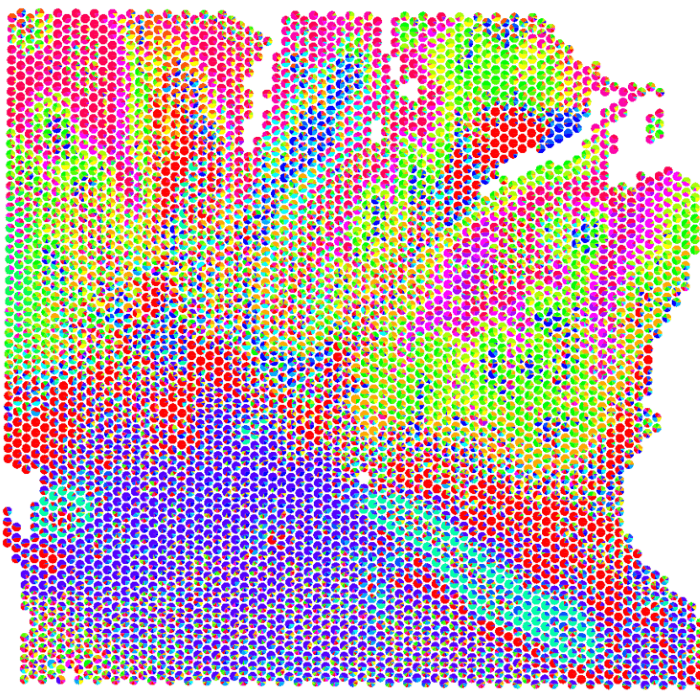
This study aims to create machine learning tools that will analyse histopathological information with genetic signatures known to be correlated with poor outcomes. This will help to determine if the lesions have the potential to become aggressive cancer.
Project leads: Rajan Kulkarni, Amaya Viros
Collaborating institutions: Knight Cancer Institute, The University of Manchester
Mapping of breast cancer premalignancy
Project award
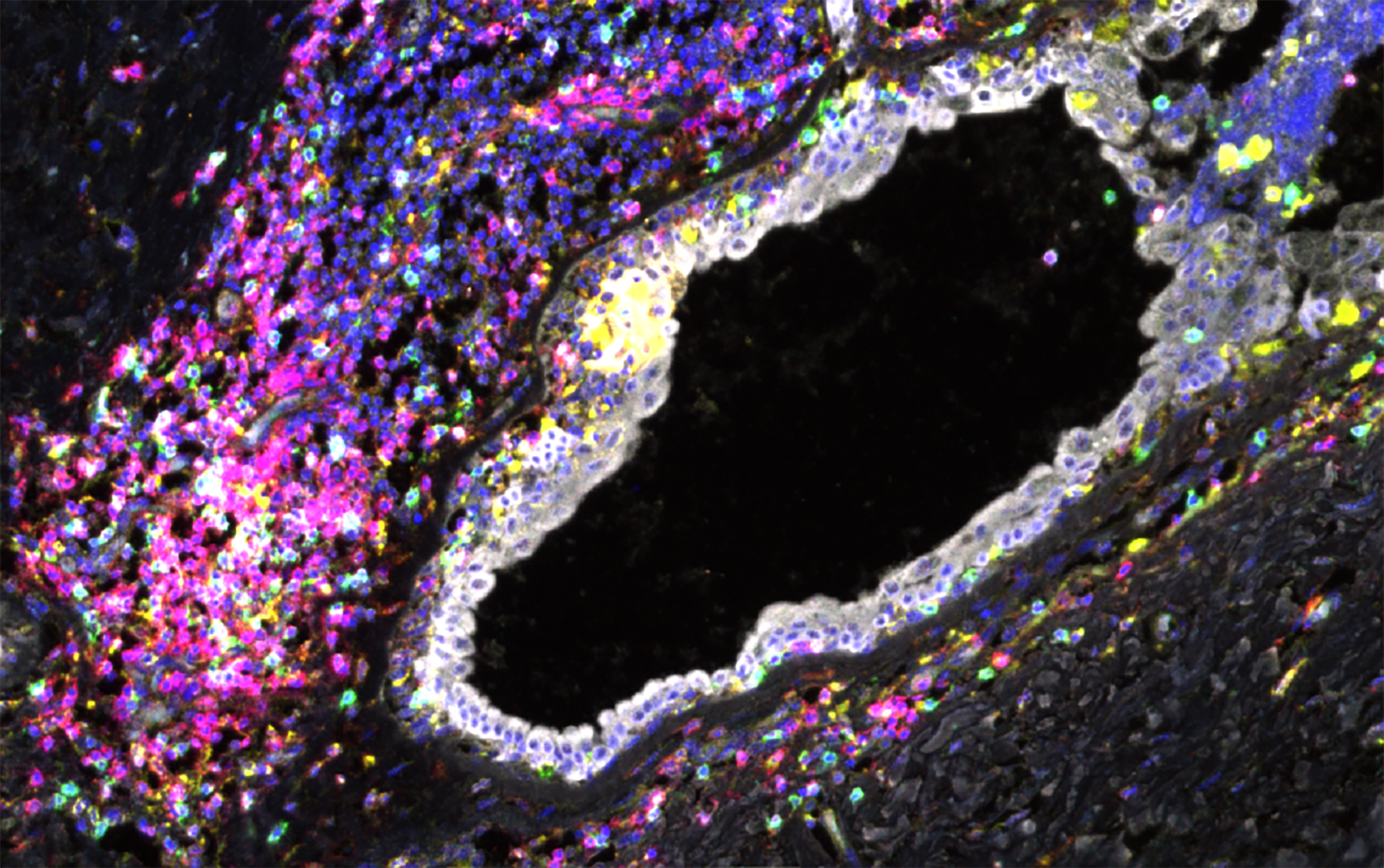
The project aims to build a high-resolution map of cellular and molecular transition involved in breast tumour development. This will help the team understand how germline mutations influence tumour initiation and disease progression.
Project leads: Walid Khaled, Hisham Mohammed
Collaborating institutions: University of Cambridge, Knight Cancer Institute
Hereditary kidney cancer
Pilot award
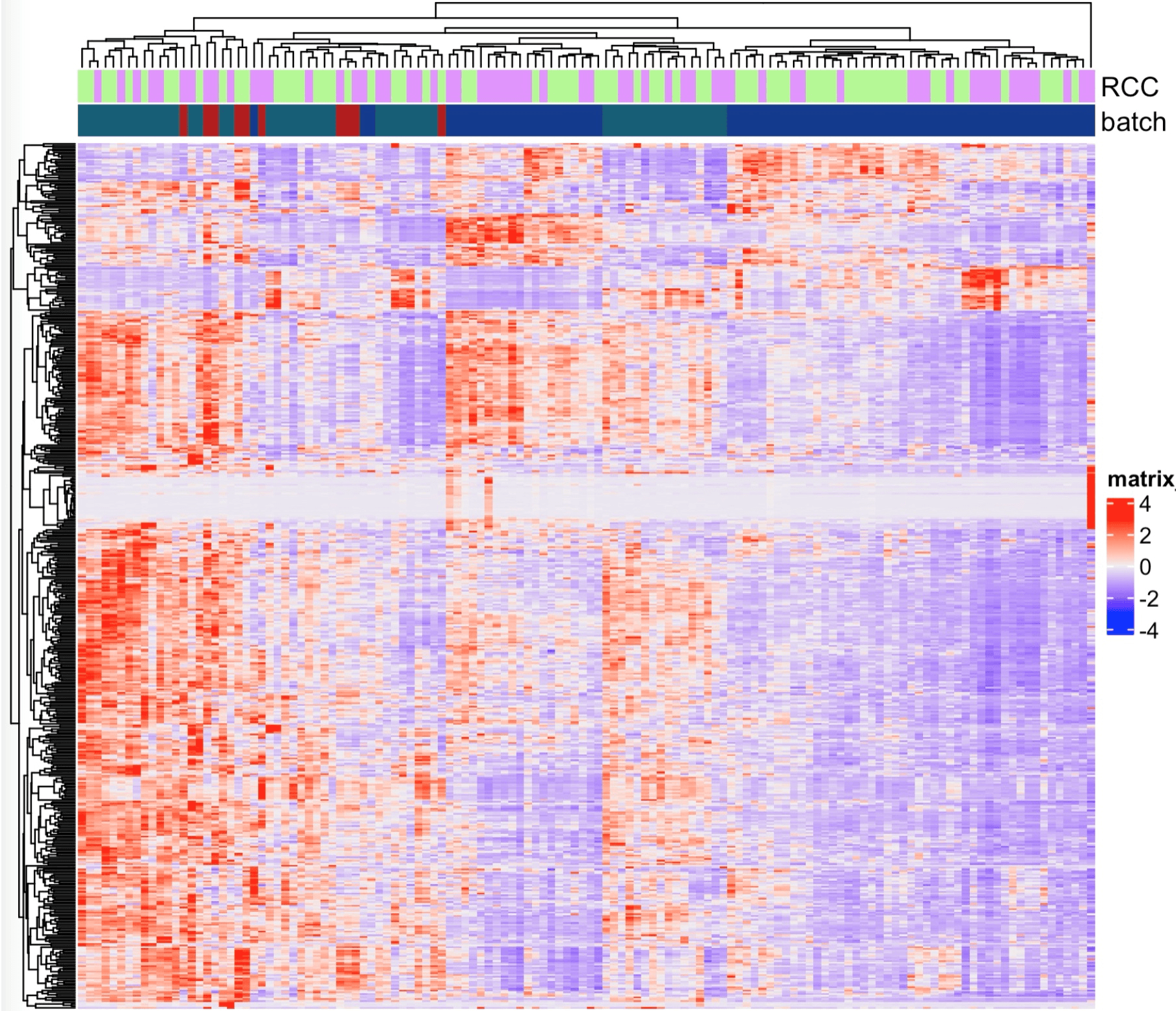
This project aims to identify new methods for early detection of hereditary kidney cancer by studying the molecular information in blood platelets from hereditary and non-hereditary patients.
Project leads: Emma Woodward, Alice Fan, Eamon Maher, James Whitworth
Collaborating institutions: The University of Manchester, University of Cambridge, Canary Center at Stanford (prior partner)
Prostate cancer progression
Pilot award
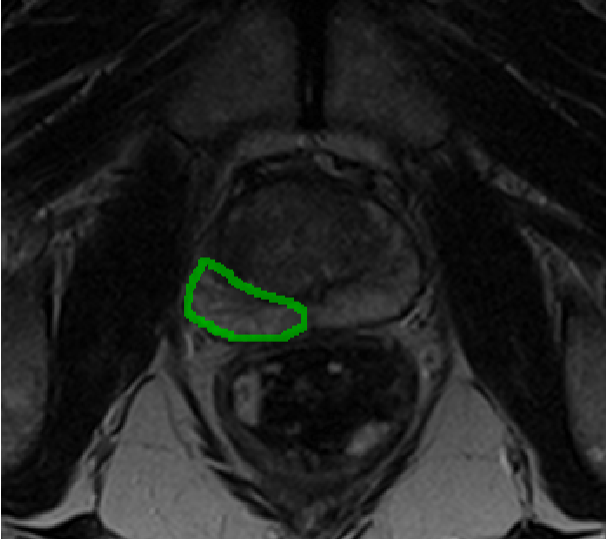
This team is developing AI software that analyses MRI images collected in patients on active surveillance over time to track changes in prostate tumours. The aim is to detect cancer progression early and automatically.
Project leads: Dean Barratt, Geoffrey Sonn
Collaborating institutions: University College London, Canary Center at Stanford (prior partner)
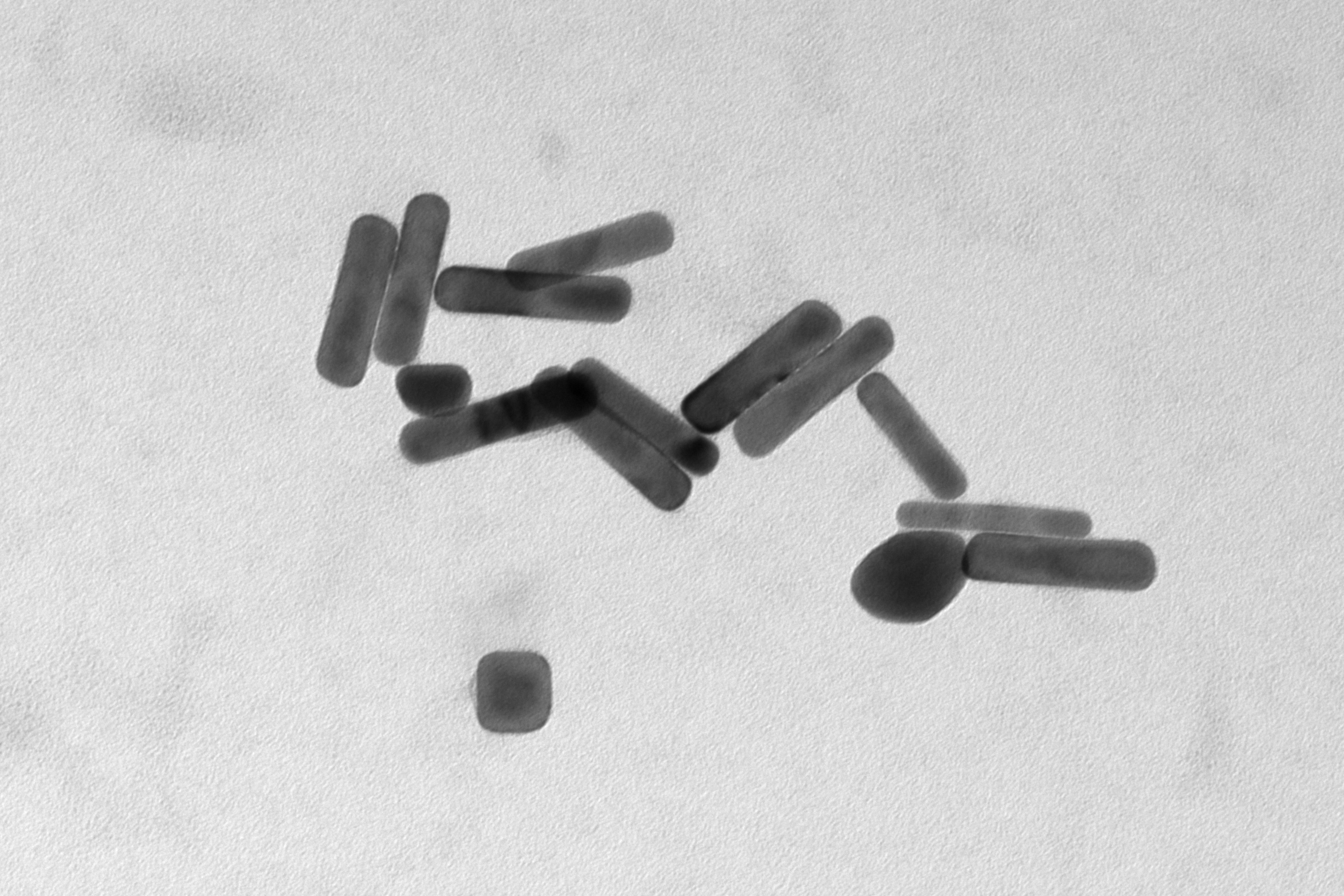
NanoOmics: a blood test platform
Pilot award
The team is developing a blood analysis platform using nanoparticles to isolate tumour-specific molecules, making it easier to discover new biomarkers for cancer detection.
Project leads: Marilena Hadjidemetriou, Parag Mallick
Collaborating institutions: The University of Manchester, Canary Center at Stanford (prior partner)
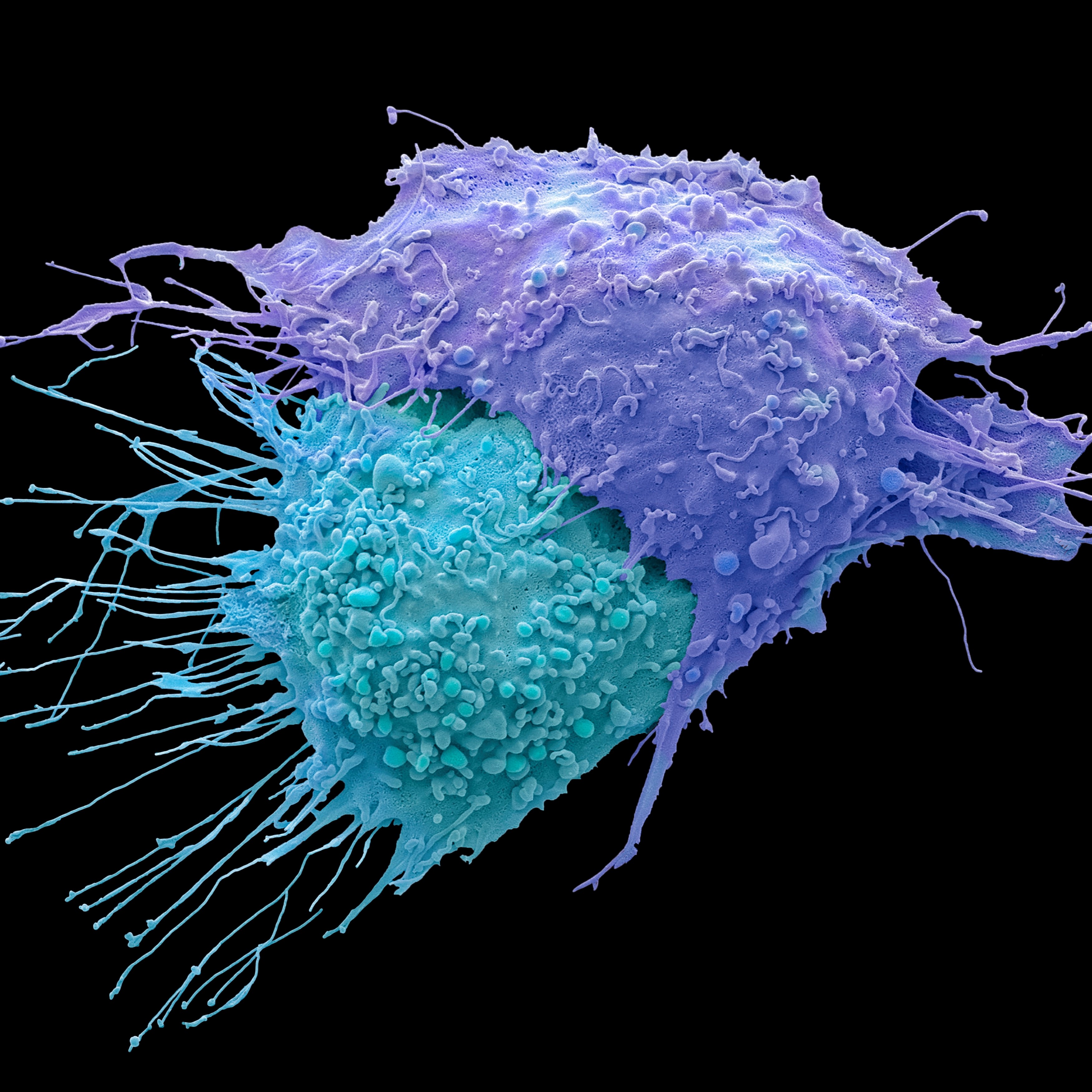
Measuring immunity in ovarian cancer
Pilot award
The team is studying early immune responses in ovarian cancer to develop a blood test to detect specific immune cells.
Project leads: James Brenton, Alice Fan
Collaborating institutions: University of Cambridge, Canary Center at Stanford (prior partner)

Methylation clock
Pathway award
This pathway award is helping to create a new way to predict cancer risk by studying changes in DNA methylation over time and how they relate to aging and cancer development.
Project leads: Adriana Fonseca, Jamie Blundell, Hisham Mohammed
Collaborating institutions: University of Cambridge, Knight Cancer Institute
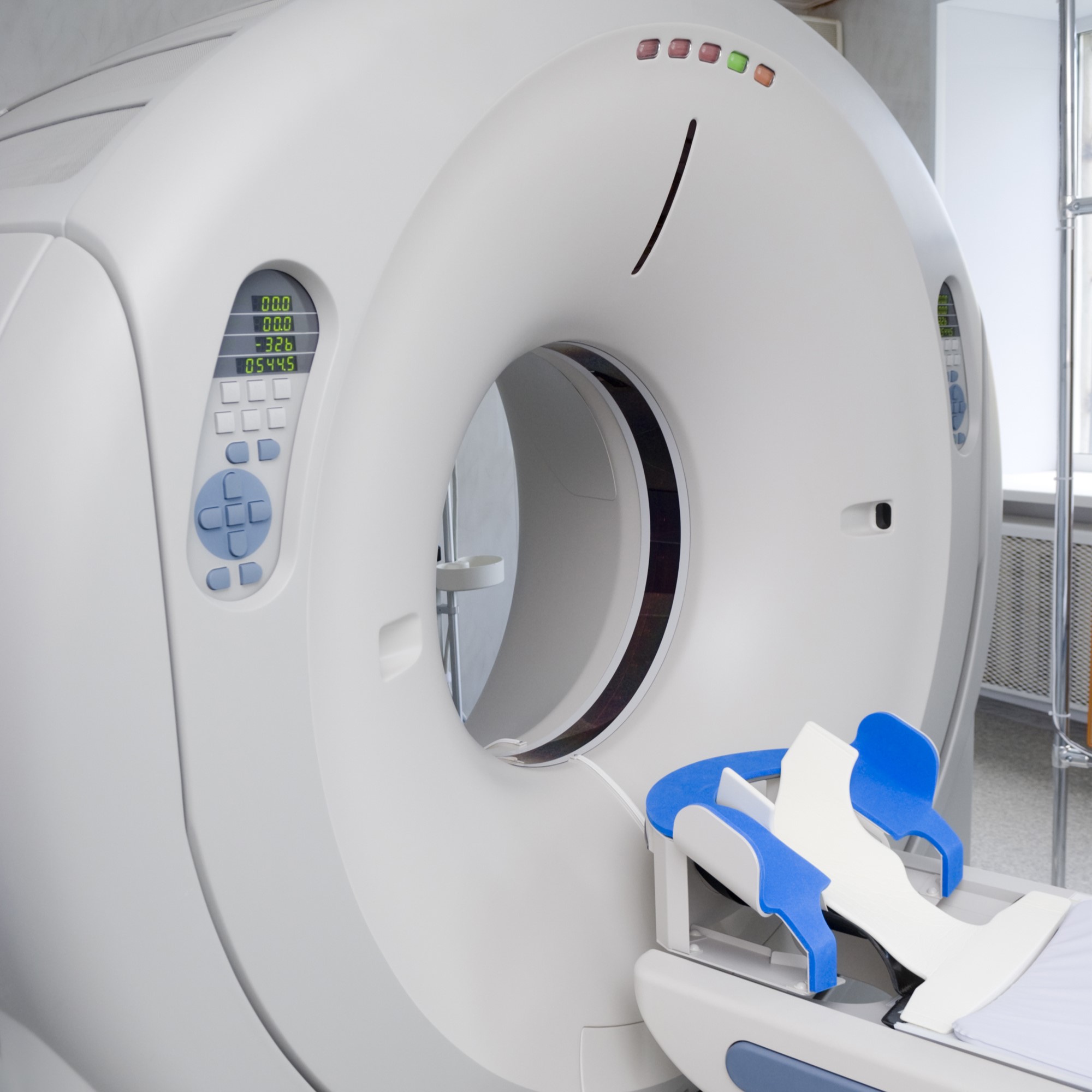
Improving MRI for prostate cancer
Pathway award
The team is investigating a new way of standardising MRI scans across hospitals, which will help better identify aggressive prostate cancer and reduce unnecessary treatment.
Project leads: Rafat Chowdhury, Shonit Punwani
Collaborating institutions: UCL, DKFZ
EXPLORE OUR RESEARCH THEMES

Immunology
Harnessing the immune system for cancer early detection.

Inequalities
Understanding and addressing cancer inequalities in early detection.

Inherited cancers
Investigating hereditary cancer populations to understand disease initiation and inform early detection and interception strategies.

Interception
Detecting and understanding pre-cancerous changes to identify targets for precision cancer interception.